






















What Does Urea Do for Dry Skin? Strengths, Uses and Who It Suits
As the weather turns cooler and drier, many people notice tight, flaky and rough skin. Urea is one of the most effective ingredients for this kind of dryness. This guide explains how urea works, what the percentages mean, how it compares with other ingredients and how to choose the right strength.
What is urea in skincare?
- Quick answer: Urea is a moisturizing ingredient that pulls water into the skin and softens rough, flaky patches.
- It is naturally present in healthy skin as part of its natural moisturizing factor.
- In creams and lotions, urea hydrates at low strengths and gently exfoliates dry, thickened skin at higher strengths.

- Healthy skin contains a group of water-binding compounds called the natural moisturizing factor.
- Urea is one of them.
- Dry skin often has less of these compounds.
- Applying urea in a cream helps replace what is missing.
- The urea used in skincare is made in labs.
- It is pure, consistent and safe for cosmetic use.
How does urea work on dry skin?
Urea works in two ways, depending on its strength:
- As a humectant: it attracts and holds water in the outer layer of skin.
- As a keratolytic: it loosens the bonds between dead skin cells, so rough, scaly patches shed more easily.
- This double action is what makes urea different from most moisturizers.
- It hydrates and smooths at the same time.
What do urea percentages mean?
- Quick answer: Urea percentage tells you how strongly a product exfoliates.
- Up to about 10% urea mainly hydrates and suits daily face and body use.
- Between 10% and 20% it hydrates and smooths rough, bumpy skin.
- Above 20%, urea is used for thick, hard skin such as cracked heels and calluses.
| Urea strength | Main action | Best for |
|---|---|---|
| Up to 10% | Hydration | Daily dryness on face and body, mild flakiness |
| 10% to 20% | Hydration plus smoothing | Rough arms and legs, bumpy skin, very dry body skin |
| Above 20% | Strong softening of thick skin | Cracked heels, calluses, hard elbows and knees |
- Higher is not always better.
- Strong urea on the face or on broken skin can sting.
Benefits of urea for skin
- Improves hydration in dry, tight skin.
- Softens rough and scaly patches.
- Helps smooth bumpy texture on arms and thighs.
- Supports the skin barrier by restoring water-binding compounds.
- Helps other moisturizing ingredients work better on dry skin.
- For product picks by skin type, see our guide to the best moisturizers for dry skin.
Who should use urea cream?
Urea suits people with:
- Dry or very dry skin, especially in winter.
- Rough, bumpy skin on arms or thighs.
- Cracked heels and hard skin on the feet.
- Dry, flaky skin on the shins and elbows.
- If you have eczema, psoriasis or diabetes-related foot concerns, ask your doctor which strength suits you.
- Avoid applying urea on open cracks, cuts or freshly shaved skin, because it can sting.
Urea for rough, bumpy skin on the arms
- Many people have small, rough bumps on the upper arms and thighs.
- This is often keratosis pilaris, where dead skin builds up around hair follicles.
- Urea helps by softening that build-up and hydrating the skin around it.
- Lotions in the 10% to 20% range are commonly used on the body for this purpose.
- Consistency matters more than strength.
- Daily use after showering usually gives smoother skin than occasional use of a stronger product.
- Avoid scrubbing the bumps hard, which can irritate skin and make redness worse.
Urea on the face vs the body
- Facial skin is thinner and more reactive than body skin.
- That changes how urea should be used.
| Area | Typical urea approach | Tips |
|---|---|---|
| Face | Lower strengths in a face-specific formula | Start every other day, avoid the eye area |
| Body | Around 10% for daily hydration, up to 20% for rough patches | Apply after showering on damp skin |
| Elbows and knees | Higher strengths if skin is thick | Use a richer cream on top |
| Heels and feet | Higher-strength foot creams | Wear socks overnight, avoid open cracks |
- Never use a high-strength foot cream on your face.
How to use urea cream
- Quick answer: Apply urea cream or lotion once or twice daily on clean, slightly damp skin.
- Use lower strengths on the face and body, and higher strengths only on thick areas like heels.
- Wash your hands after applying high-strength urea, and stop use if stinging or redness continues.

- Cleanse with a gentle, non-drying wash.
- Pat skin almost dry, leaving it slightly damp.
- Apply urea body lotion to the body, or urea cream to target areas.
- Seal heels at night with socks after applying a high-strength foot cream.
- Use sunscreen on exposed areas during the day.
Urea vs other moisturizing ingredients
| Ingredient | What it does | Best for |
|---|---|---|
| Urea | Hydrates and softens rough skin | Dry, rough, flaky skin |
| Hyaluronic acid | Draws water into the skin | Dehydrated skin needing lightweight hydration |
| Glycerin | Draws and holds water | Everyday hydration for all skin types |
| Ceramides | Rebuild the skin barrier | Dry, sensitive or damaged barrier |
| Lactic acid | Hydrates and gently exfoliates | Dull, dry, rough skin |
- Urea pairs well with ceramides.
- Urea brings water in and softens texture, while ceramides help keep that water from escaping.
- Read more about hyaluronic acid, or browse our moisturizers.
Urea vs lactic acid vs salicylic acid for rough skin
- All three can smooth rough skin, but they work differently.
| Ingredient | How it smooths | Hydrating? | Best for |
|---|---|---|---|
| Urea | Softens and loosens dead skin | Yes | Dry, rough, flaky skin |
| Lactic acid | Gently exfoliates the surface | Yes, mildly | Dull, dry skin with uneven texture |
| Salicylic acid | Exfoliates inside pores | No | Oily skin, body acne, clogged pores |
- If your skin is dry and rough, urea is usually the most comfortable choice.
- If it is oily with clogged pores, salicylic acid may suit better.
Urea products at YourDermStore
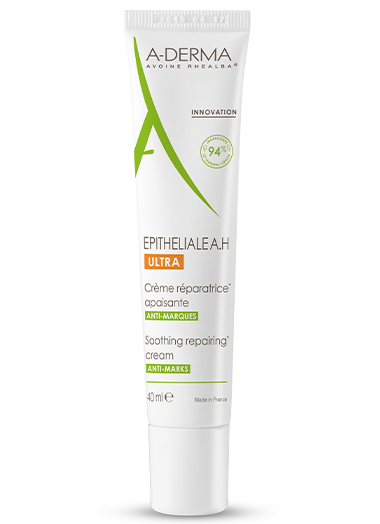
Two lotions in our range state their urea strength in the product name:
- Both sit in the 10% range, suited to daily body hydration.
- For more options, browse our dry skin range.
- For a full seasonal plan, see our winter body care routine.
How to choose the right urea product
Use these questions to narrow your choice:
- Where will you use it? Face, body or feet each need a different strength.
- How rough is the skin? Mild dryness suits lower strengths. Thick, hard skin needs higher strengths.
- Is your skin sensitive? Choose fragrance-free formulas and start slowly.
- What texture do you prefer? Lotions spread easily over large areas. Creams and balms suit small, very dry patches.
- Does it contain supporting ingredients? Ceramides, glycerin and shea butter add barrier support.
- Always read the ingredient list and directions on the pack before use.
Why urea works well in winter
- Cold air and indoor heating pull water out of the skin.
- The outer layer becomes rigid, so it cracks and flakes more easily.
- Urea helps in two ways.
- It draws water back into that outer layer, and it softens the rigid build-up of dead cells.
- That combination makes it a practical choice for the dry months, especially on the shins, arms, elbows and heels.
Side effects and precautions
- Stinging on broken, cracked or freshly shaved skin.
- Temporary redness on sensitive areas.
- Irritation if high strengths are used on the face.
- Patch test new products on the inner arm for 24 hours.
- Speak to a dermatologist if dryness is severe, itchy or cracked and bleeding.
Common mistakes with urea
- Using a high-strength foot cream on the face.
- Applying urea to freshly shaved or waxed skin.
- Layering urea with strong acids or retinol on the same area.
- Applying to completely dry skin instead of slightly damp skin.
- Stopping as soon as skin improves, which lets dryness return.
FAQs
What does urea do for skin?
- Urea hydrates dry skin by attracting water into the outer layer.
- At higher strengths, it also loosens dead skin cells so rough, scaly patches become smoother.
- This makes it useful for very dry body skin, bumpy arms and cracked heels.
Is 10% urea good for the face?
- Urea at around 10% or lower is generally suitable for dry facial skin, but some people find it tingles.
- Start every other day, and choose a formula meant for the face.
- Avoid using high-strength foot creams on facial skin.
What is the difference between 10% and 20% urea?
- 10% urea mainly hydrates and suits daily face and body care.
- 20% urea hydrates and exfoliates more strongly, so it suits rough, thickened areas such as elbows, knees and the body.
- Higher strengths are usually kept for heels.
Can urea cream help cracked heels?
- Yes. Urea softens the thick, hard skin that forms on heels, which helps cracks close as skin regains flexibility.
- Higher-strength urea foot creams are usually used for this.
- Avoid applying on deep cracks that are open or bleeding.
Does urea help keratosis pilaris?
- Urea can help soften the rough bumps of keratosis pilaris by loosening built-up dead skin and hydrating the area.
- Body lotions in the 10% to 20% range are commonly used.
- Daily, gentle use works better than scrubbing.
Can I use urea every day?
- Yes. Lower-strength urea lotions are designed for daily use.
- Higher-strength products can be used daily on heels and hard skin, then reduced once the skin is smoother.
Can urea be used with retinol or acids?
- Use caution.
- Urea already exfoliates, so combining it with retinol or exfoliating acids on the same area can cause irritation.
- Use them on different nights or different areas, and introduce one product at a time.
Is urea safe for sensitive skin?
- Lower strengths are often tolerated by sensitive skin, but stinging can occur, especially on broken skin.
- Patch test first and choose a fragrance-free formula where possible.
More from
>
Body Care
Dermatology
Ingredient Education
Skincare