






















Best Moisturizers for Normal to Dry Skin in India: A Buying Guide
A good moisturizer for normal to dry skin combines humectants to draw in moisture, emollients to smooth the skin, and occlusives to seal moisture in. Cream formulas generally suit dry skin better than gels, and the right choice also depends on the season and how humid your city is.
What Your Skin Actually Needs From a Moisturizer
A moisturizer's job is to support the skin barrier, the outermost layer that keeps moisture in and irritants out. When this barrier is compromised, skin feels tight, flaky, or rough.
A healthy skin barrier keeps moisture in and irritants out, and moisturizers are formulated to support it.
For normal to dry skin, the goal is to add moisture and help the skin hold on to it, rather than just providing a temporary smooth feeling that fades within hours. A well-formulated moisturizer works on two levels at once: it replenishes water content in the outer skin layers and reinforces the barrier's ability to retain that moisture going forward.
Understanding the Skin Barrier in More Depth
The outermost layer of skin, called the stratum corneum, is often compared to a brick wall, where skin cells act as bricks and lipids such as ceramides, cholesterol, and fatty acids act as the mortar holding everything together. When this lipid mortar is depleted, whether from harsh cleansers, weather, or ageing, water escapes more easily through the skin, a process known as transepidermal water loss. Dry skin is, in large part, a sign of increased transepidermal water loss combined with reduced natural lipid content. Moisturizers work by replacing some of these lipids, drawing in additional water, and forming a protective seal, which is why a single-function product often falls short of what dry skin actually needs.
Gel vs Cream Moisturizer: What's the Difference
Should I choose a gel or a cream?
Cream moisturizers are thicker and contain more occlusive and emollient ingredients, making them generally better suited to dry skin. Gel moisturizers are lighter, absorb faster, and suit normal, oily, or combination skin, or hot and humid conditions where a heavier formula can feel uncomfortable.
|
Format |
Texture |
Best suited for |
|
Gel moisturizer |
Lightweight, fast-absorbing, often water-based |
Normal, oily, or combination skin; hot or humid weather |
|
Cream moisturizer |
Richer, thicker, higher oil content |
Dry or very dry skin; cooler or drier weather |
|
Lotion moisturizer |
In between gel and cream in weight |
Normal skin, or as a lighter daily option for dry skin in warmer months |
✓ Cream moisturizers generally contain more occlusive ingredients than gel moisturizers, which makes them better suited to dry skin.
Some people find that a single format does not work year-round or across every area of the face and body, which is why understanding the underlying texture categories, rather than committing to one product permanently, gives more flexibility as skin needs shift.
Ingredient Categories to Look For
Rather than chasing a single trending ingredient, it helps to understand the three functional categories most moisturizers are built from.
|
Category |
What it does |
Common examples |
|
Humectants |
Draw moisture from the air and deeper skin layers into the surface |
Glycerin, hyaluronic acid |
|
Emollients |
Smooth and soften the skin by filling in gaps between skin cells |
Fatty acids, plant oils |
|
Occlusives |
Form a protective layer that seals moisture in and reduces water loss |
Petrolatum, shea butter, certain silicones |
✓ Humectants draw moisture in, while occlusives seal that moisture into the skin. A good moisturizer usually combines both.
✓ Emollients work by smoothing the spaces between skin cells, which improves overall skin texture.
A well-rounded moisturizer typically includes ingredients from more than one of these categories, rather than relying on just one. A humectant-only formula, for example, can actually worsen dryness in a very low-humidity environment, since it may draw moisture from deeper skin layers toward the surface without an occlusive layer present to prevent that moisture from evaporating away. This is why pairing a humectant-rich serum with an occlusive-rich moisturizer on top is a commonly recommended layering strategy for dry skin.

How Indian Climate Affects Your Moisturizer Choice
India's climate varies widely by region and season, which means one moisturizer does not necessarily work year-round for everyone.
● Humid coastal cities often suit lighter gels or lotions for most of the year
● Drier inland or northern regions, especially in winter, generally need a richer cream
● Air conditioning indoors can dry out skin even in a humid city, which is easy to overlook
● Many people benefit from switching to a lighter formula in summer and a richer one in winter
● Hill and higher-altitude regions often combine lower humidity with stronger sun exposure, which can accelerate moisture loss further
✓ Air conditioning can dry out skin indoors even in cities with generally humid outdoor climates.
Building flexibility into a skincare cabinet, having both a lighter and a richer moisturizer on hand, makes it easier to adjust to travel, seasonal shifts, or unexpected changes in weather without having to guess or go without moisturizer during a transition period.
Face vs Body: Do You Need Different Moisturizers
Facial skin is thinner and more sensitive than body skin, and is more prone to breakouts if a heavy, pore-clogging formula is used.
● Facial moisturizers are usually lighter and formulated to avoid clogging pores
● Body moisturizers can be richer, since body skin tolerates heavier textures well
● Areas like elbows, knees, and heels often need a noticeably thicker formula than the rest of the body
● Hands, which are washed frequently, often benefit from a dedicated hand cream reapplied throughout the day rather than relying on a facial or body moisturizer
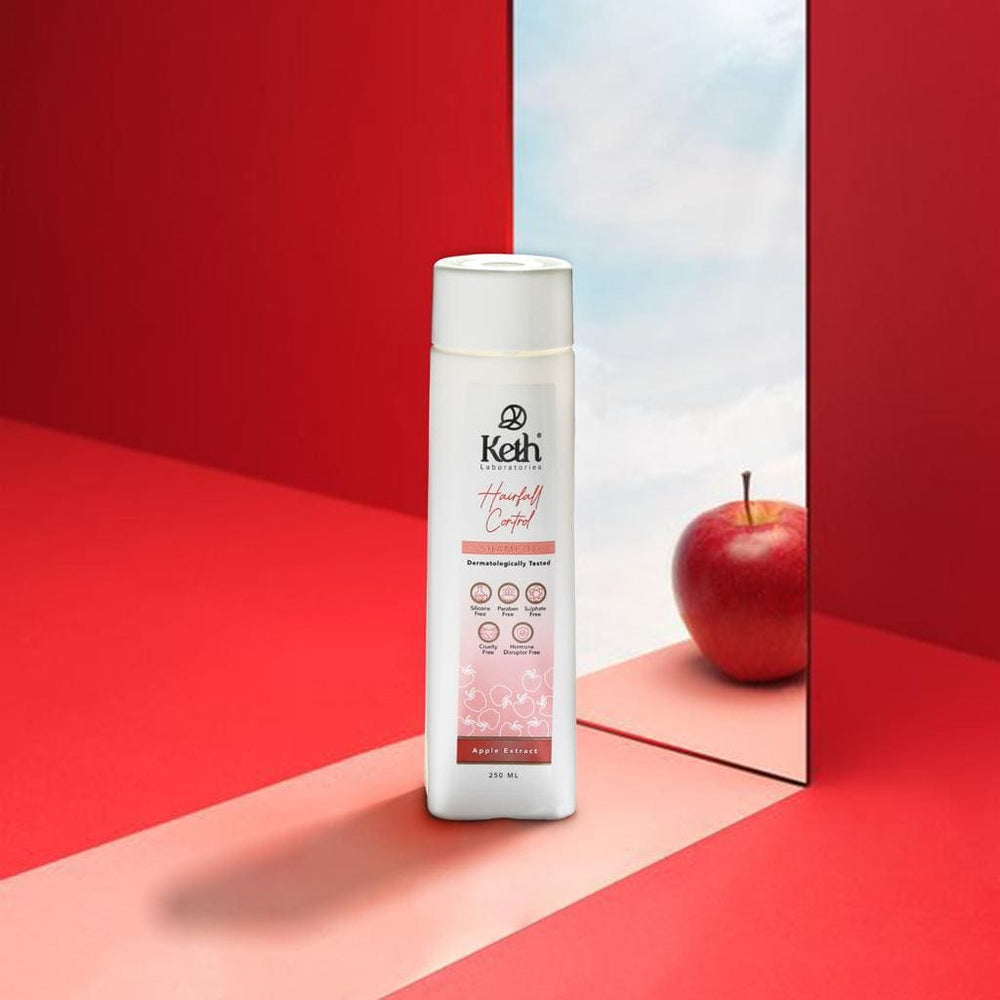
For a facial cream option, keth oil free hydration moisturizer is a relevant choice to explore, and for a lighter lotion format, Maxrich Intensive Moisturising Lotion is worth comparing. Confirm texture, intended use area, and full ingredient list on each live product page before purchase.
Reading Moisturizer Labels Like a Dermatologist
Beyond the humectant, emollient, and occlusive categories, a few label terms are worth understanding. "Non-comedogenic" indicates a formula designed to be less likely to clog pores, which is particularly relevant for facial products used on acne-prone or combination skin. "Fragrance-free" is generally a safer choice for sensitive or reactive skin than "unscented," since unscented products can still contain masking fragrance compounds. "Dermatologically tested" is a claim that varies in meaning between brands and does not guarantee suitability for every individual, so it should be treated as one data point rather than a guarantee.
Where Moisturizer Fits in Your Routine
● Cleanse first, then apply any treatment serums while skin is still slightly damp
● Apply moisturizer after serums, to help lock in their benefits
● Finish with sunscreen in the morning, since sunscreen should be the last step
● At night, moisturizer is typically the final step unless a separate night cream or oil is used
● For very dry skin, an additional thin layer of a pure occlusive, such as a facial oil or balm, can be applied on top of moisturizer at night for extra support
How Often and How Much to Apply
Most people benefit from moisturizing twice daily, though very dry skin, low-humidity climates, or frequent hand washing may call for more frequent application. A common practical guideline for the face is a coin-sized amount, applied while skin is still slightly damp from cleansing or a toner step, since this helps the product spread more evenly and may improve how well humectant ingredients function. Applying moisturizer to fully dry skin, or in too small an amount to cover the whole face, are both common reasons a suitable product still underperforms.
When to Reassess Your Moisturizer
Skin needs can change with age, season, hormonal shifts, and even with changes in an existing skincare routine, such as introducing a new active ingredient. A formula that worked well for months can start to feel insufficient, either too rich or not rich enough, when one of these factors shifts. Reassessing every few months, rather than assuming a moisturizer will always perform the same way, helps catch these changes early rather than persisting with a formula that no longer matches current skin needs.
Common Moisturizing Mistakes That Undermine Results
A few habits commonly prevent an otherwise well-matched moisturizer from performing as expected. Applying moisturizer only once a day, typically at night, and skipping the morning application is one of the most frequent issues, since it leaves skin unprotected against moisture loss during the day. Using the same rich winter formula through a hot, humid summer can also feel heavy and, for some skin types, contribute to congestion, which is a sign to switch to a lighter format seasonally rather than persisting with one product year-round. Another common mistake is applying moisturizer to fully dry skin rather than slightly damp skin, which reduces how well certain humectant ingredients can function.
Applying moisturizer to slightly damp skin can help humectant ingredients draw in more moisture than applying to fully dry skin.
Layering multiple heavy products at once, such as a rich serum, a thick moisturizer, and a heavy facial oil all together, can also overwhelm the skin without necessarily improving hydration further, since the barrier can only absorb and retain so much at a time. A simpler routine, applied consistently, generally outperforms an overly layered one applied inconsistently.
Moisturizer Myths Worth Addressing
A persistent myth is that oily or acne-prone skin does not need a moisturizer at all. In reality, skipping moisturizer can sometimes prompt the skin to produce more oil to compensate for dryness, and a well-chosen, lightweight, non-comedogenic formula supports balanced, comfortable skin regardless of oiliness. Another myth is that natural or oil-based ingredients are automatically better for dry skin than formulated moisturizers; while plant oils can offer emollient benefits, they generally lack the humectant and true occlusive properties of a well-formulated cream, meaning they often work best as a complement to a moisturizer rather than a replacement for one.
A third myth is that more expensive moisturizers are always more effective. Price does not necessarily correlate with how well a formula matches an individual's skin type or climate, and a simpler, well-matched, less expensive option often performs just as well or better than an expensive product that is not suited to the skin's actual needs.
Moisturizer Considerations for Different Life Stages
Skin's moisture needs and barrier function change over time. Younger skin, especially oilier skin types, often needs lighter formulas focused on maintaining balance rather than intensive repair. As skin ages, natural oil production and lipid content in the skin barrier typically decline, which is part of why richer, more occlusive formulas are often better tolerated and more beneficial later in life, even for people who previously had normal or combination skin. Hormonal changes, including those associated with pregnancy or menopause, can also shift skin's moisture needs temporarily or long-term, and reassessing a moisturizer during these periods rather than assuming past choices still apply is a reasonable approach.
Building a Simple Moisturizing Routine for Normal to Dry Skin
● Morning: cleanse, apply a hydrating serum if used, follow with a moisturizer suited to the season, finish with sunscreen
● Evening: cleanse, apply any treatment products, follow with a richer moisturizer or night cream
● Weekly: check in on how skin feels; tightness, flaking, or dullness are signs it may be time to switch to a richer formula or add an extra layer
● Seasonally: keep both a lighter and a richer moisturizer on hand to adjust for weather changes without needing to purchase a new product each time skin feels different
Conclusion
Choosing the right moisturizer for normal to dry skin comes down to understanding what the skin barrier needs, rather than following a single ingredient trend. Combining humectants, emollients, and occlusives in the right balance, matching texture to climate and season, and applying consistently and correctly all play a bigger role in results than any single product claim. Building some flexibility into a routine, with both a lighter and a richer option available, makes it easier to keep skin comfortable across changing weather, travel, and life stages.
Frequently Asked Questions
Q1. Do I need a different moisturizer for summer and winter?
Many people do. A lighter gel or lotion often feels more comfortable in summer, while a richer cream better supports skin through drier winter months. This varies by individual skin type and local climate.
Q2. Can oily skin use a cream moisturizer?
Yes, if the formula is non-comedogenic and lightweight within the cream category. Oily skin still needs moisture, since skipping moisturizer can sometimes lead to more oil production, not less.
Q3. Is a body lotion the same as a face moisturizer?
No. Facial skin is thinner and more prone to clogged pores, so facial moisturizers are typically formulated to be lighter and less pore-clogging than body lotions.
Q4. What ingredient should I avoid if I have sensitive skin?
This varies by individual sensitivity. As a general practice, patch testing any new moisturizer and checking the full ingredient list against known personal triggers is safer than relying on a single ingredient to avoid.
Q5. How often should I moisturize?
Twice a day, morning and night, is a common baseline for normal to dry skin. Very dry skin or dry climates may benefit from an additional application during the day.
Q6. Does a thicker moisturizer always mean better hydration?
Not necessarily. Thickness relates to texture and occlusive content, not automatically to how well a formula suits your skin. The right choice depends on your skin type, climate, and how your skin responds to the product.
Q7. Should moisturizer be applied before or after sunscreen in the morning?
Moisturizer should generally be applied first, allowed to absorb briefly, and followed by sunscreen as the final step. Applying sunscreen before moisturizer can reduce how evenly it sits on the skin and may affect its protective performance.
Q8. Can I skip moisturizer if my serum already feels hydrating?
Most serums, particularly humectant-based ones, work best when sealed in by a moisturizer afterward. Skipping moisturizer, especially in a dry climate or air-conditioned environment, can mean the hydration from a serum evaporates rather than being retained in the skin.
This article is educational and does not replace advice from a dermatologist. Persistent dryness, irritation, or skin barrier concerns should be assessed by a medical professional.