




















Why Is My Hair Falling Out? The Science of Hair Growth and a Dermatologist-Approved Routine
Hair is often tied to our identity, confidence, and sense of well-being. Consequently, noticing an increase in shedding whether it’s a clogged shower drain or a thinning part line can trigger significant anxiety. But to solve hair fall, we must first strip away the marketing myths and look at the clinical reality.
Hair fall is not a single condition; it is a symptom of various physiological shifts. From hormonal changes and nutritional deficiencies to scalp inflammation and stress, the reasons your hair leaves the follicle are diverse. At YourDermStore, we advocate for a "Scalp-First" philosophy. By treating the scalp with the same scientific rigor as the face, we can move the needle on hair density.
In this exhaustive guide, we will break down the histology of the hair follicle, the common triggers for loss, and the professional-grade molecules like Redensyl, Procapil, and Capixyl that are changing the landscape of non-surgical hair restoration.
1. The Histology of the Hair Follicle: A Mini-Organ
The hair follicle is one of the most metabolically active parts of the human body. It is essentially a "mini-organ" that requires a constant supply of oxygen, minerals, and proteins.
The Hair Growth Cycle (The Three Phases)
To understand why hair falls, you must understand how it grows. At any given time, roughly 85-90% of your hair is in the growth phase, while the rest is transitioning or resting.

-
Anagen Phase (2–7 Years): This is the active growth phase. The hair bulb is firmly attached to the dermal papilla, receiving nutrients from the blood. The longer your hair stays in this phase, the longer and thicker it grows.
-
Catagen Phase (1–2 Weeks): This is a transitional stage where the follicle shrinks to about 1/6th of its normal size. The hair detaches from its blood supply and becomes a "club hair."
-
Telogen Phase (3–4 Months): The hair is dormant. At the end of this phase, the hair is shed (Exogen) and a new Anagen hair begins to push through.
The Clinical Problem: Most chronic hair fall occurs when the Anagen phase is cut short, forcing a mass exodus of hairs into the Telogen phase. This is known as Telogen Effluvium.
2. The Primary Triggers of Hair Fall
A. Androgenetic Alopecia (The DHT Factor)
This is the most common form of hair loss, affecting both men and women. It is driven by an androgen called Dihydrotestosterone (DHT). In genetically susceptible individuals, DHT binds to receptors in the scalp follicles, causing them to "miniaturize."
As the follicle shrinks, the hair produced becomes thinner, shorter, and eventually, the follicle closes entirely. This is why early intervention with serums like Bontress Pro+ is critical.
B. Scalp Microbiome Dysbiosis
We often forget that the scalp is skin. When the scalp's microbiome is imbalanced often due to an overgrowth of Malassezia yeast it triggers inflammation. This inflammation releases cytokines that signal the hair follicle to stop growing and enter the resting phase prematurely.
C. The "Post-Stress" Shed (Telogen Effluvium)
Significant physical or emotional stress (including high fever, surgery, or sudden weight loss) can shock the system. This "shock" causes up to 30% of your hairs to stop growing and enter the Telogen phase simultaneously. Because the Telogen phase lasts 3 months, you typically see this hair fall 90 days after the stressful event.
3. Targeted Solutions: The Molecules That Matter
At YourDermStore, we curate medical-grade serums that utilize "Biomimetic" molecules. Unlike old-school treatments, these ingredients target the stem cells of the follicle.
Redensyl: The "Galvanizer"
Redensyl is a synergistic blend of polyphenols and zinc. It targets the "ORSc" (Outer Root Sheath Stem Cells), encouraging them to initiate a new growth cycle. Clinical studies suggest it can be more effective than traditional treatments without the side effects.
-
The Product: Well Grow Gold Hair Serum. This is a flagship treatment at YourDermStore. It focuses on increasing the Anagen-to-Telogen ratio, meaning it keeps more hair on your head and less in the drain.
Procapil: The Anchor
Procapil targets the primary causes of alopecia: poor scalp microcirculation and follicle aging. It strengthens the metabolism and structure of the follicle.
-
The Product: Well Grow Gold Hair Serum. This high-concentration serum uses Procapil to strengthen the "anchor" of the hair in the follicle, preventing premature shedding due to mechanical stress.
Capixyl: The DHT Blocker
Capixyl is a biomimetic peptide combined with red clover extract. It is a powerful anti-inflammatory that specifically inhibits the 5-alpha reductase enzyme, which is responsible for the production of DHT.
-
The Product: Well Grow Gold Hair serum or specialized peptide complexes that prioritize follicle size maintenance.
4. The Anatomy of a Hair Fiber: Why Strength Matters
While serums work on the root, the visible hair shaft requires structural support. Hair is composed of Keratin, a fibrous protein held together by disulfide bonds.

When these bonds are broken by heat or chemicals, the hair breaks. This "breakage" is often confused with hair fall, but the treatment is different. While roots need stimulants, the shaft needs proteins and lipids.
5. The Dermatologist-Approved Hair Care Routine
A random rotation of shampoos is not a strategy. To see results, you need a disciplined, layered protocol.
Step 1: Scalp Preparation (The Clarifying Cleanse)
You cannot grow healthy hair from a congested scalp. If you have oily roots or dandruff, your follicles are "choked" by debris.
-
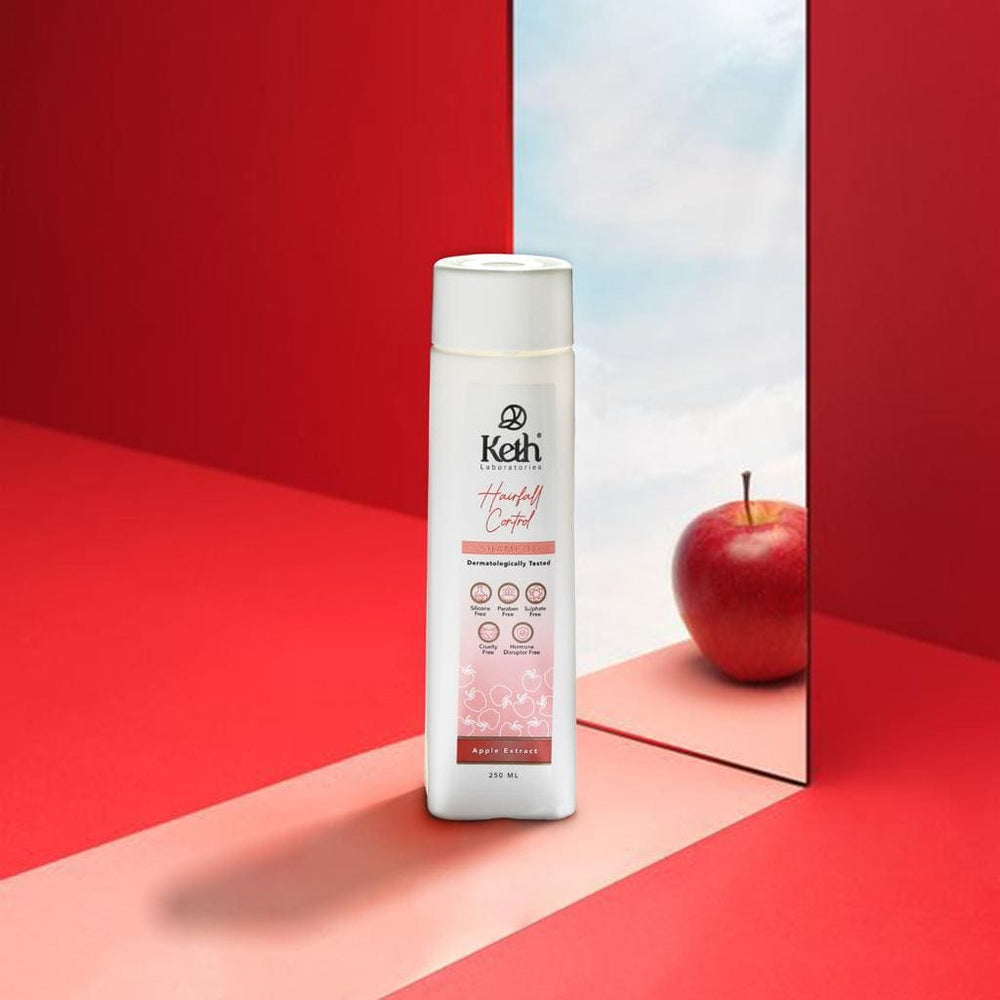
Recommendation: Keth Everyday Shampoo. It uses liposomal technology to deliver Zinc and Vitamin B6 directly to the root, regulating sebum while it cleanses.
Step 2: Stem Cell Activation (The Growth Serum)
This is the most critical step. Growth serums must be applied to the scalp, not the hair strands.
-
Protocol: Apply the serum directly to the thinning areas.
-
Massage: Use your fingertips to massage for 3–5 minutes. This creates "mechanical stimulation," which further triggers the dermal papilla cells to enter the Anagen phase.
Step 3: Structural Integrity (The Fiber Repair)
While the serum works on the root, you must protect the "shaft" to prevent breakage.
-
Recommendation: Scalp serum with Copper peptides are legendary for their ability to promote wound healing and collagen production in the scalp, leading to thicker, more resilient hair fibers.
Step 4: Internal Fortification (The Nutritional Foundation)
Topicals can only do so much if the body lacks the raw materials for Keratin.
-
Recommendation: Hair fact tablets. This is a complete multinutrient for the hair. It provides Biotin, Iron, and Amino Acids—the building blocks of the hair shaft.
6. FAQ: Answer Engine Optimization (AEO)
Q: Why is my hair falling out suddenly after a fever?
This is likely Telogen Effluvium. The body prioritizes vital organs during a fever, "shutting down" the non-essential hair factory. You will see shedding 2–3 months later. The good news is that it is usually reversible with support from Bontress Pro+.
Q: Is Redensyl better than Minoxidil?
Minoxidil is a vasodilator (increases blood flow), while Redensyl is a cellular regenerator. Many modern dermatologists prefer Redensyl-based serums like Minimalist because they don't carry the "initial shedding phase" or the potential side effects associated with Minoxidil.
Q: How often should I wash my hair if it’s falling out?
There is a myth that washing causes hair fall. This is false. Washing simply removes the hair that has already detached from the root. If you don't wash, the buildup of oil and yeast can cause inflammation, which actually worsens hair loss. Aim for 3 times a week with a gentle formula like Sesderma Seskavel.
Q: Can Niacinamide be used on the scalp?
Absolutely. Just as it works for the face, Niacinamide (found in the Keth Brightening Boost Serum) can improve the scalp's barrier function and reduce inflammation, creating a better environment for hair growth.
7. Lifestyle Factors: The Holistic Approach
You cannot out-supplement a poor lifestyle. To maximize your YourDermStore routine, consider these three pillars:
-
Protein Intake: Hair is 90% protein. Ensure you are getting adequate L-Lysine and Methionine in your diet.
-
Stress Management: High cortisol levels are a direct "stop signal" for the hair growth cycle.
-
Low Heat: Heat styling at high temperatures denatures the proteins in your hair, leading to "bubble hair" and breakage.
8. The 3-Month Commitment: Why Patience is the Key
The most common reason hair treatments "fail" is that people stop using them after 30 days. Because the resting phase of hair lasts 90 to 100 days, you will not see new sprouts for at least three months.
-
Month 1: Reduction in active shedding.
-
Month 2: Improved scalp health and hair texture.
-
Month 3: Appearance of "baby hairs" and increased density.
Conclusion: Take Control of Your Hair Science
Hair fall is a complex puzzle, but with medical-grade molecules and a disciplined scalp routine, it is a puzzle you can solve. By combining the serum with hair follicular activation,massage will help in growth active stimulations
At YourDermStore, we are committed to providing the clinical tools you need for every stage of your hair journey.
This content is for educational purposes only and does not replace professional medical advice. For persistent or severe hair loss, consult a dermatologist.