






















Summer Skincare Routine for Combination Skin: Morning to Night
Combination skin is the most common skin type in India. The t-zone gets oily by lunchtime while the cheeks feel normal or slightly dry. In summer, the imbalance widens, sunscreen feels heavy, and breakouts cluster on the forehead and nose. A good skincare routine for combination skin keeps both zones happy without choosing sides.
A summer routine for combination skin uses a gentle face wash, a hydrating but lightweight moisturizer, and a non-comedogenic broad-spectrum sunscreen in the morning. At night, add a balancing serum and the same moisturizer. Avoid heavy creams and very stripping cleansers in humid weather.

What Is Combination Skin?
Combination skin features an oilier t-zone with normal or dry cheeks. The t-zone covers the forehead, nose, and chin. The contrast between zones is most noticeable around midday.
Combination skin features an oilier t-zone with normal or dry cheeks, and is the most common skin type in India.
Combination skin can be acne-prone, especially in the t-zone where pores are larger. The cheeks of combination skin often need additional hydration than the t-zone.
The cheeks of combination skin often need additional hydration than the t-zone, which produces more sebum.
How Summer Affects Combination Skin
Heat and humidity ramp up sebum production. Combination skin can react to seasonal changes, becoming oilier in summer. The cheeks may also feel slightly more dehydrated from air-conditioning even as the t-zone shines.
Combination skin can react to seasonal changes, becoming oilier in summer and slightly more dehydrated indoors from air-conditioning.
The fix is to keep the routine light and adjust two products: a lighter moisturizer and a lighter sunscreen. The cleanser, serum, and treatment steps typically stay the same year-round.
Morning Routine for Combination Skin
Five quick steps cover combination skin in summer mornings.
Cleanse with a gentle, soap-free gel face wash that lifts oil without stripping the cheeks.
Apply a hydrating toner or a niacinamide serum, focusing on the cheeks for hydration.
Apply a lightweight gel or gel-cream moisturizer all over the face.
Layer a broad-spectrum, non-comedogenic sunscreen as the final skincare step.
Optional: lightly blot the t-zone before makeup or stepping outside.
Layering thin to thick is the rule for skincare routines, especially for combination skin in humid weather.
Cleanser pick: Bioderma Sebium Gel Moussant is a soap-free, soothing gel cleanser for oily and combination skin. It lifts excess oil without leaving the cheeks tight, which is exactly what combination skin needs in summer.
Shop Bioderma Sebium Gel Moussant: Shop Now
Soap-free gel cleansers suit combination skin because they remove sebum without stripping the cheeks.
Niacinamide helps balance sebum and is well-suited to combination skin. Look for it in a serum or in your moisturizer.
Niacinamide helps balance sebum production and is well-suited to combination skin.
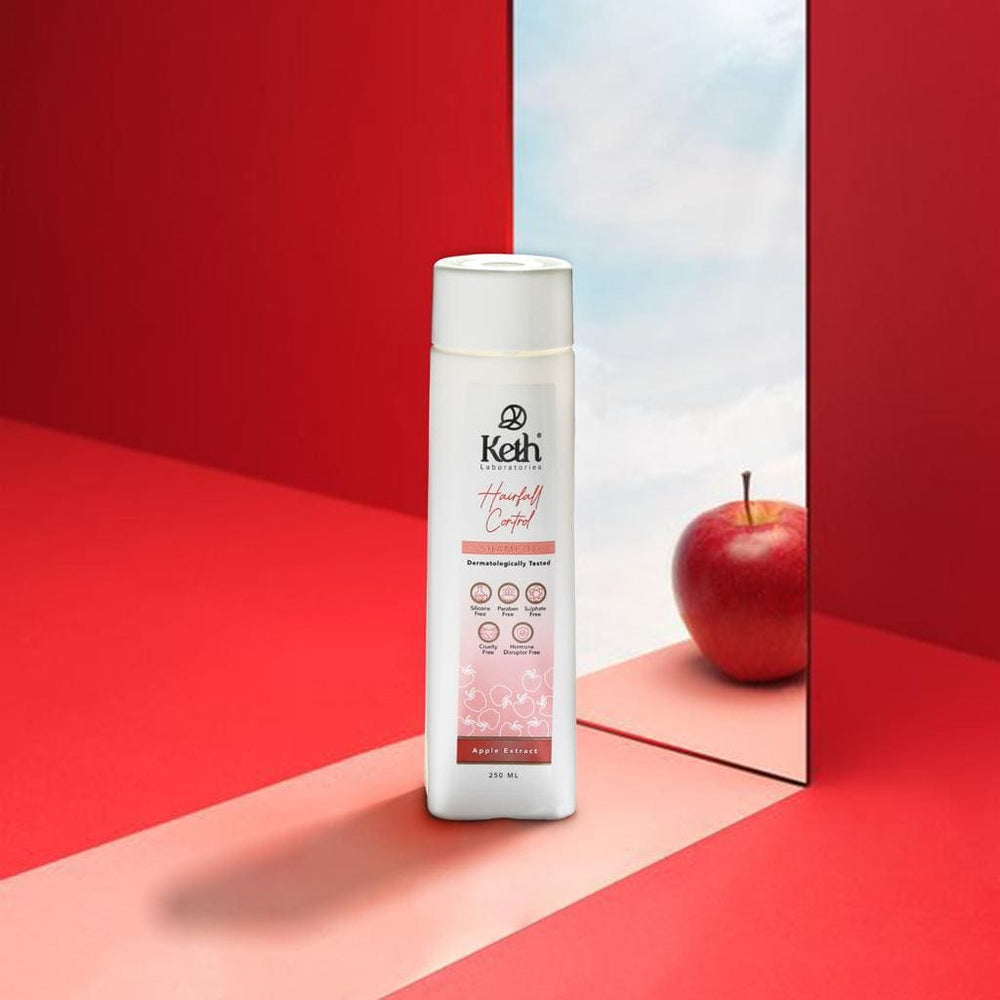
Moisturizer pick: Keth Laboratories Oil-Free Hydration Moisturiser is a lightweight gel-cream that hydrates the cheeks without overloading the t-zone.
Shop Keth Oil-Free Moisturiser: Shop Now
Sunscreen pick: Heliocare 360 Water Gel Sunscreen is a premium broad-spectrum SPF in a water-light gel texture. It absorbs fast, layers smoothly under makeup, and is well-suited to combination skin in Indian summer.
Shop Heliocare 360 Water Gel Sunscreen - Shop Now

Evening Routine for Combination Skin
Evenings focus on cleansing the day off, targeted treatment, and supporting overnight repair.
Double-cleanse on days you wore sunscreen or makeup: a gentle oil-free balm or micellar water followed by your cleanser.
Apply a treatment serum (vitamin C if used in AM, switch to niacinamide or retinol in PM).
Apply the same lightweight moisturizer used in the morning.
Spot-treat any breakouts with a targeted gel.
Weekly Add-Ons: Mask and Exfoliant
Clay mask on the t-zone once a week to clear sebum and minimize the look of pores
Hydrating mask on the cheeks once a week to balance the routine
Chemical exfoliant (BHA or low-strength AHA) one to two evenings a week, never with retinol the same night
Skip physical scrubs in summer if the t-zone is already irritated
Common Mistakes to Avoid
Four habits regularly throw combination skin out of balance.
Over-cleansing. Over-cleansing strips the cheeks and worsens t-zone oil rebound.
Heavy moisturizers. Rich creams suit dry skin in winter, not combination skin in summer.
Skipping moisturizer on oily zones. Skipping moisturizer often worsens oil production through rebound.
Skipping sunscreen because it feels heavy. Pick a lighter formula like a water gel.
Over-cleansing strips the cheeks and worsens t-zone oil rebound in combination skin.
Sunscreen should be the final step in any morning routine for combination skin.
Best Products for Combination Skin in Summer
Bioderma Sebium Gel Moussant
Soap-free, soothing gel cleanser for oily and combination skin. Lifts sebum without stripping the cheeks. A French dermatology favourite.
Keth Laboratories Oil-Free Hydration Moisturiser
Lightweight gel-cream that hydrates without clogging pores. Suits combination skin in humid weather.
Heliocare 360 Water Gel Sunscreen
Premium broad-spectrum sunscreen in a water-light gel texture. Non-comedogenic and layers smoothly. Suited to Indian summer use on combination skin.
Want to add a hydration step? See our hyaluronic acid for skin guide for layering tips.
Frequently Asked Questions
How often should I wash my face if I have combination skin?
Twice a day is right for most combination skin: a gentle cleanser in the morning and a slightly stronger cleanser at night. Over-washing strips the cheeks and increases t-zone oil rebound.
Do I need a moisturizer if my t-zone is oily?
Yes. Skipping moisturizer often signals the skin to make more oil. A lightweight, gel or gel-cream moisturizer hydrates the cheeks without overloading the t-zone.
Which sunscreen is best for combination skin?
A non-comedogenic, broad-spectrum sunscreen in a light gel or fluid texture suits combination skin. Avoid heavy creamy sunscreens in summer.
Can I use the same products in winter and summer?
You can keep your cleanser and serum consistent, but most people switch to a lighter moisturizer and a lighter sunscreen in summer.
Can combination skin be acne-prone?
Yes. Combination skin can be acne-prone, especially in the t-zone where pores are larger and sebum is heavier.
Should I exfoliate combination skin?
Yes, gently. A BHA cleanser once or twice a week or a low-strength chemical exfoliant on the t-zone is enough for most combination skin.
Is hyaluronic acid good for combination skin?
Yes. Hyaluronic acid is lightweight and hydrates the cheeks without adding oil to the t-zone. It pairs well with niacinamide for combination skin.