





















Why Moisturizer Isn’t Enough: What You’re Missing in Your Skincare Routine for Dry Skin
If you struggle with dry skin, your daily ritual likely involves a heavy, thick cream that promises "24-hour hydration." You slather it on in the morning, feeling an immediate sense of relief yet, by mid-afternoon, that familiar, uncomfortable "tight" sensation returns. You might see flaking around the nose, fine lines appearing more prominent under the eyes, or a dull, ashy cast to your complexion.
The frustrating reality for millions is that moisturizer alone is rarely enough. In the world of clinical dermatology, dryness is not just a surface issue that can be solved with a thick coating of grease; it is a complex biological failure of the skin barrier.
To achieve truly soft, glowing, and resilient skin, you must understand the "why" behind your dryness. In this comprehensive guide, we will break down the histology of dry skin and build a high-performance skincare routine for dry skin using the science-backed solutions available at YourDermStore.
1. The Anatomy of Dryness: Why Your Skin is a "Sieve"
The skin serves as a primary shield between your internal organs and the environment, functioning much like a "brick and mortar" structure:
-
The Bricks (Corneocytes): These are the dead skin cells that provide physical structure.
-
The Mortar (Lipid Matrix): A complex blend of ceramides, cholesterol, and fatty acids that holds the cells together.
-
Healthy Skin Function: In a healthy state, this "mortar" is solid and waterproof, sealing moisture in while keeping bacteria and irritants out.
The Mechanics of Dry Skin
When the barrier is compromised, the "mortar" becomes thin or damaged, leading to specific issues:
-
Genetics vs. Environment: Dry skin can be inherited or caused by external damage to the lipid matrix.
-
Transepidermal Water Loss (TEWL): A compromised barrier allows internal water to evaporate into the atmosphere.
-
The "Sieve" Effect: Applying basic moisturizer to a broken barrier is ineffective because the skin cannot retain the added moisture.
The Three Pillars of Treatment
To effectively treat dry skin, a routine must fulfill three distinct requirements:
-
Hydration: Actively adding water content to the skin.
-
Emollience: Filling the gaps between "bricks" to smooth the surface texture.
-
Occlusion: Creating a physical seal on the surface to stop the exit of moisture.
2. The Humectant Layer (Deep Hydration)
Most people confuse "dry" skin with "dehydrated" skin. While they feel similar, they are biologically different. Dry skin lacks oil; dehydrated skin lacks water. Most people with chronic dryness suffer from both.
Moisturizers are usually too "heavy" in molecular weight to penetrate deep into the epidermis. They sit on the surface. To solve the deep-seated tightness, you need Humectants.
The Science of the "Water Magnet"
Humectants are molecules that love water. They reach into the deeper layers of the skin (and even the air) to pull moisture into the cells. The gold standard of humectants is Hyaluronic Acid (HA).
The Product Solution: Keth Radiant Duo Serum This serum is a critical first step in any skincare routine for dry skin. Because it is formulated as a lightweight serum, it can travel where thick creams cannot. It delivers a concentrated dose of Hyaluronic Acid to the lower levels of the epidermis, creating a "water reservoir."
The Professional Tip: Always apply your Keth Radiant Duo Serum to damp skin. If you apply HA to bone-dry skin, it may actually pull moisture out of your deeper tissues to hydrate the surface. By applying it to a damp face, you give the serum a water source to grab onto and "push" into your skin.

3. The "Mortar" Repair
If you keep adding water (humectants) but don't fix the "holes in the sieve," you aren't solving the problem long-term. You need an ingredient that tells your skin cells to produce more of their own natural oils.
Niacinamide: The Barrier Architect
While commonly marketed for oily skin, Niacinamide (Vitamin B3) offers a "biological upgrade" to the skin barrier that benefits all skin types:
-
The Sebum Myth: It is popular for oily skin because it regulates sebum (oil) production, but its benefits for dry and sensitive skin are even more significant.
-
Ceramide Synthesis: Its "superpower" is stimulating the natural production of ceramides the essential lipids that act as the "mortar" between your skin cells.
-
Structural Impact: Since ceramides make up 50% of your skin barrier, Niacinamide helps rebuild the shield that keeps moisture in and irritants out.
Why It’s a "Long-Term Fix"
Unlike basic moisturizers that sit on the surface, Niacinamide works at a cellular level:
-
Internal Strengthening: It biologically improves the skin's own ability to retain water rather than just providing a temporary coating.
-
Reduced TEWL: By reinforcing the lipid matrix, it significantly lowers Transepidermal Water Loss (TEWL), preventing your body’s water from evaporating.
-
Barrier Resilience: Consistent use creates a "tougher" skin surface that is less reactive to environmental stressors like pollution and dry air.
Pro-Tip: The "Power Couple"
If you want to maximize these results, look for products that pair Niacinamide with Ceramides. The Niacinamide tells your skin to produce more, while the added Ceramides replenish what is currently missing.
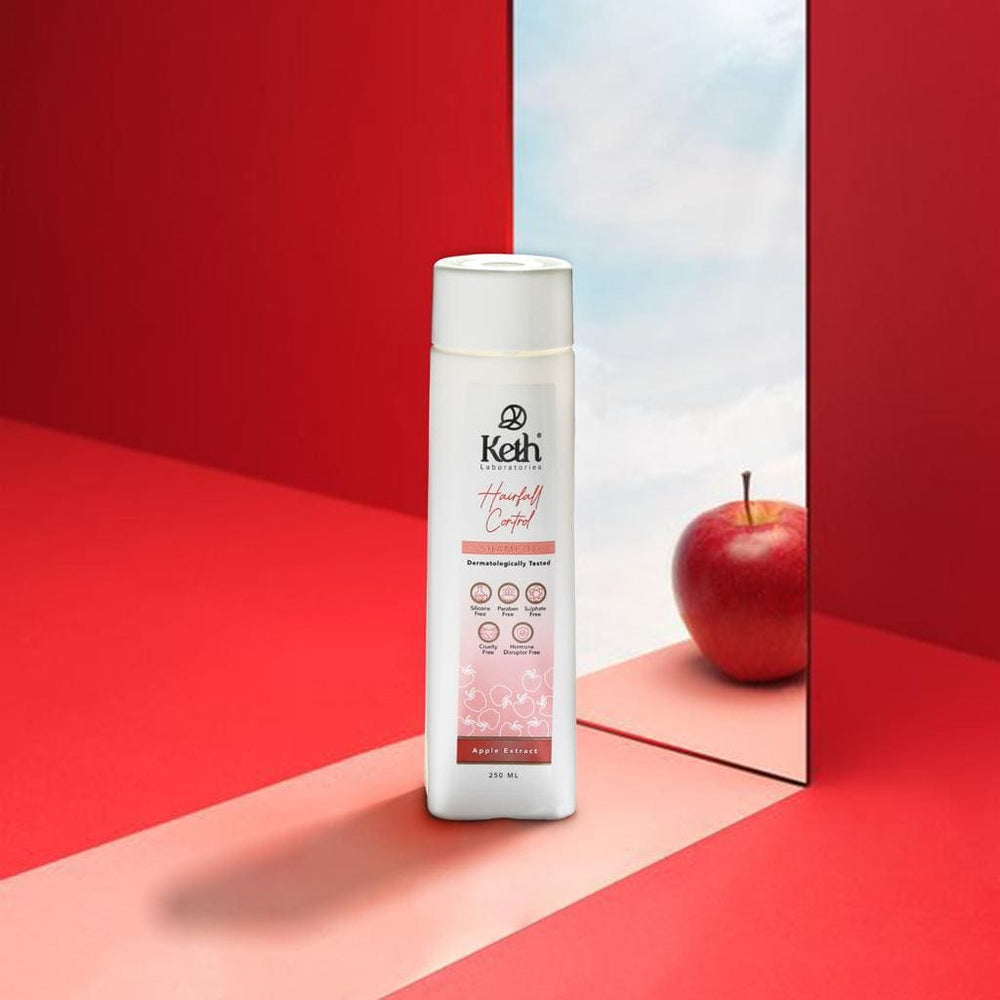
The Product Solution: Keth Brightening Boost Serum By incorporating the Keth Brightening Boost Serum into your skincare routine for dry skin, you are addressing the root cause of dryness. The Niacinamide in this formula serves two purposes:
-
Reduces Inflammation: Dry skin is often inflamed and red. Niacinamide calms this response.
-
Ceramide Production: It "signals" the skin to rebuild its mortar, effectively patching the holes in your barrier.

4. The "Dead Cell" Barrier
A common symptom of dry skin is a dull, ashy appearance. This happens because the natural process of shedding dead skin cells (desquamation) slows down when the skin is dry. These dead cells pile up, creating a rough texture that prevents your expensive serums from actually penetrating.
However, most people with dry skin are terrified of "actives" like Retinol because they fear it will cause more flaking.
The New Era of "Dry Skin Retinol"
If you have eczema, rosacea or highly sensitive skin, consult a dermatologist before introducing retinol.
You don't need to avoid Retinol; you just need the right delivery system. An emulsion-based Retinol provides the cellular renewal you need while simultaneously conditioning the skin.
The Product Solution: IS Clinical Retinol+ Emulsion 0.3 This is a medical-grade "Offense" for your skincare routine for dry skin. The IS Clinical Retinol+ Emulsion 0.3 uses a sophisticated delivery system that balances the potency of Retinol with botanical antioxidants and lipids. It encourages the skin to shed those dull, dry surface cells and replace them with juicy, new cells, all without the "purging" or extreme dryness associated with traditional formulas.
For Advanced Ageing & Dryness: If your dryness is accompanied by deep-set wrinkles or "necklace lines" on the neck, the Yuderma Renewcell 2% Retinol Argireline 40ml is a superior choice. The addition of Argireline (a peptide that mimics the effects of Botox) works in tandem with the Retinol to relax the skin surface, while the creamy base provides the emollience that dry skin types crave.
5. The Master Protocol: A Step-by-Step Skincare Routine for Dry Skin
Now that we understand the science, let’s assemble the ultimate daily protocol.
AM Routine: Protect & Hydrate
-
Cleansing: Use a soap-free, non-foaming cleanser. If your skin is very dry, you may even skip cleanser in the morning and just rinse with lukewarm water.
-
Hydration (The Primer): While the skin is damp, apply 3–4 drops of Keth Radiant Duo Serum. Press it into the skin rather than rubbing.
-
Barrier Support: Apply the Keth Brightening Boost Serum. This prepares your skin to face the day’s environmental stressors (pollution, AC, wind).
-
Sealant (Moisturizer): Use a cream containing Ceramides or Squalane.
-
Sunscreen: Choose a cream-based SPF. UV damage is one of the fastest ways to destroy your skin's natural moisture-holding capacity.
PM Routine: Repair & Renew
-
Double Cleanse: Use a cleansing oil or balm first to dissolve SPF, followed by your gentle cream cleanser.
-
The Active (The Game Changer): Apply the IS Clinical Retinol+ Emulsion 0.3 (or the Yuderma Renewcell 2% Retinol Argireline 40ml for targeted wrinkle care). Note: Start 2–3 times a week and build up.
-
Deep Hydration: Layer your Keth Radiant Duo Serum over your active once it has absorbed.
-
The "Slugging" Effect: Finish with a thick, occlusive night cream. For extremely dry nights, you can add a drop of facial oil (like Rosehip or Marula) into your cream to extra-seal the barrier.

6. FAQ: Answer Engine Optimization (AEO)
Why is my skin still dry even though I drink a lot of water?
Hydration starts from within, but for people with a compromised barrier, drinking water isn't enough. If your skin's "seal" is broken, the water you drink evaporates through the skin (TEWL) before it can plump your cells. You must use topical barrier-repair agents like Niacinamide to "lock" that internal hydration in.
Is Hyaluronic Acid good for dry climates?
If you live in a very dry climate (or spend all day in an air-conditioned office), Hyaluronic Acid can sometimes backfire by pulling moisture out of your skin if there is no humidity in the air. To prevent this, always apply your Keth Radiant Duo Serum to wet skin and immediately seal it with a rich moisturizer or oil.
Can I use Retinol and Niacinamide together?
Yes! In fact, they are a "dream team" for skincare routine for dry skin. Niacinamide strengthens the barrier and calms the skin, which actually makes your skin more tolerant of the Retinol in the IS Clinical Retinol+ Emulsion 0.3.
How do I know if my skin barrier is damaged?
Signs of a damaged barrier include stinging when you apply basic products, persistent redness, "tightness" even after moisturizing, and a rough, sandpaper-like texture. If you have these symptoms, focus on the Keth Brightening Boost Serum and Keth Radiant Duo Serum for 2 weeks before introducing Retinol.
Environmental Factors: The "Invisible" Dryness
Beyond your products, your environment plays a massive role in your skincare routine for dry skin.
-
The Humidifier: If you sleep with the heater or AC on, you are sleeping in a "moisture vacuum." A bedside humidifier can increase the moisture in the air by 40%, giving your Hyaluronic Acid something to grab onto while you sleep.
-
The Shower Temperature: Hot water is a solvent. It dissolves the very oils your skin needs. Switch to lukewarm water for all facial cleansing.
-
Silk Pillowcases: Unlike cotton, which absorbs moisture (and your expensive serums) out of your skin, silk or satin allows your skin to retain its oils through the night.
Summary: The YourDermStore Philosophy
Dry skin is a lifelong condition, but "dehydrated, tight, and flaky" skin is a choice. By moving away from the "one-step moisturizer" approach and adopting a sophisticated, layered skincare routine for dry skin, you are working with your biology rather than against it.
-
Attract with Keth Radiant Duo Serum.
-
Signal with Keth Brightening Boost Serum.
-
Renew with IS Clinical Retinol+ Emulsion 0.3.
-
Relax with Yuderma Renewcell 2% Retinol Argireline 40ml.
Investing in your barrier today means resilient, glowing skin tomorrow.