




















The Ultimate Repair Routine for Damaged, Chemically Treated Hair
Bleached, colored, rebonded, or heat-styled if your hair has been through it, chances are it's crying out for help. Damaged, chemically treated hair isn’t just dry or frizzy it’s structurally compromised. Protein bonds are broken, the cuticle layer is lifted, and moisture escapes, leaving hair brittle, dull, and prone to breakage.
But here's the good news: with the right routine, you can reverse visible damage and restore strength, shine, and smoothness. Dermatologists emphasize that hair care should be treated like skincare strategic, consistent, and ingredient-led.
What Does “Chemically Damaged Hair” Really Mean?
Chemical treatments such as coloring, bleaching, smoothing, or perming work by altering your hair’s internal bonds. This weakens the structural integrity of the hair shaft. Signs include:
-
Hair that snaps when you brush it
-
A rough, straw-like texture
-
Lack of shine and elasticity
-
Split ends and frizz
-
Thinning or excessive shedding
These aren’t just cosmetic issues they indicate the protective cuticle has been compromised, exposing the hair cortex to damage.

Step-by-Step Repair Routine for Damaged Hair
1. Sulfate-Free, Bond-Safe Cleanser (2–3x per week)
Regular shampoos often contain sulfates that strip away natural oils. For damaged hair, you need a low-foaming, nourishing cleanser that gently removes buildup without disrupting the cuticle further.
Recommended:
-
Keth Laboratories Everyday shampoo – For gentle cleansing
Keth Laboratories Dry dull and Frizzy hair shampoo- For dryness due to hair treatment
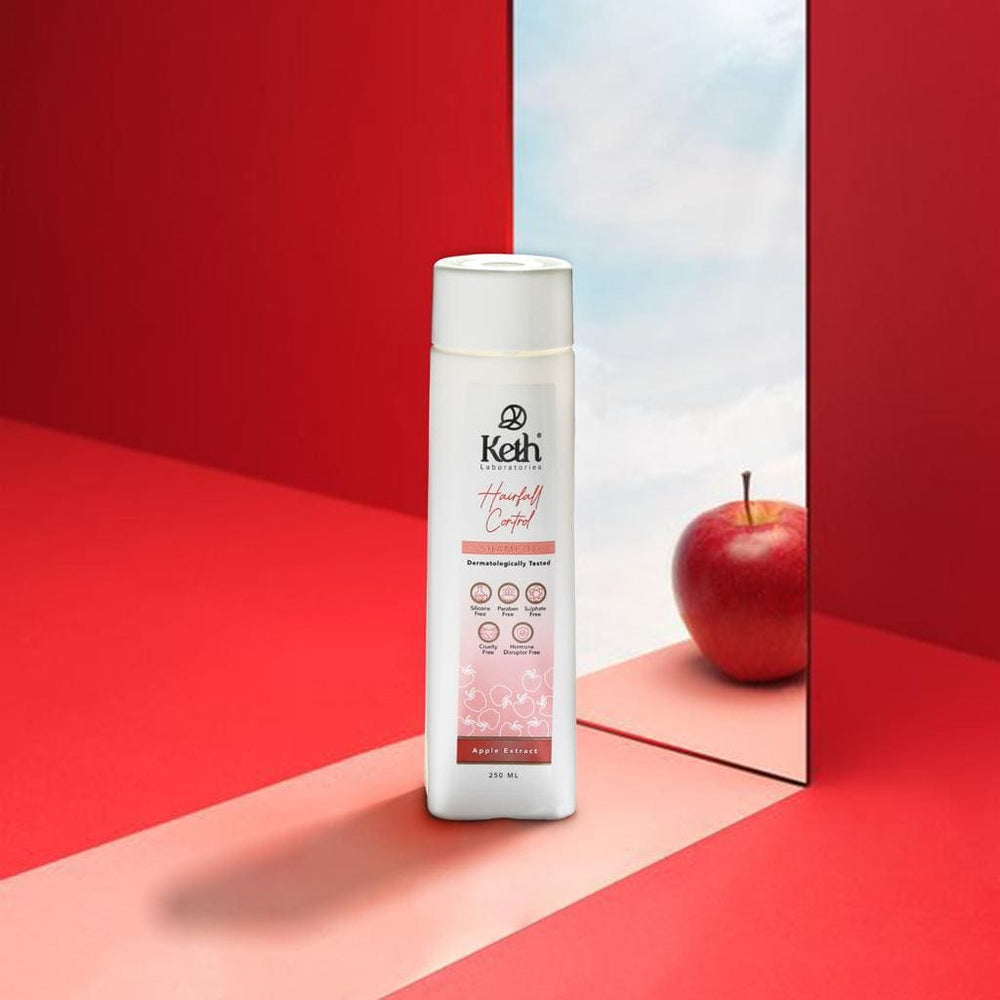
Keth Laboratories Hairfall control shampoo- For Hair fall problems.
2. Deep Conditioning Mask (Weekly)
A powerful mask helps restore lost lipids, amino acids, and moisture. Look for masks containing ceramides, keratin, or emollient-rich oils like emu, argan, or shea.
Recommended:
-
F-Emugrow-MC-R Emu Oil with 3% Redensyl – Boosts hydration while repairing follicle-level stress from chemical exposure.
3. Leave-In Serum with Heat & UV Protection
Every strand of chemically treated hair needs a defense layer. Choose a serum rich in peptides, proteins, or silicones that protect against heat styling and sun.
Recommended:
-
Q- Sera Hair serum - This lightweight formula is enriched with Acetyl Tetrapeptide-3, Milk Protein, and Inositol to strengthen follicles and reduce breakage.
Key Ingredients That Truly Repair
| Ingredient | Function | Best For |
|---|---|---|
| Hydrolyzed Keratin | Rebuilds broken protein bonds in the cortex | Extremely damaged, porous hair |
| Ceramides | Restores lipid barrier and smooths cuticles | Frizz, rough texture |
| Redensyl | Stimulates stem cell activity, boosts regrowth | Hair thinning, scalp stress |
| Peptides | Signals repair and strengthens follicle health | Long-term rebuilding |
| Emu Oil | Deeply penetrates, anti-inflammatory | Dryness, inflammation, scalp healing |
Morning Routine: Protect + Nourish
-
Cleanse with a mild shampoo only if scalp feels oily or dirty
-
Apply Kera XL Hair growth serum to ends for lightweight protection
-
Finish with a few drops of serum or oil to shield from humidity, UV, or heat tools
Night Routine: Repair While You Sleep
-
On dry nights, apply F-Emugrow-MC-R Pure Emu Oil with 3% Redensyl . to the scalp and massage
-
Use a silk or satin pillowcase to reduce friction
-
Avoid sleeping with wet or tied hair
Scalp Health = Hair Health
Chemical damage often leads to a dry, sensitive scalp. It’s important to:
-
Avoid alcohol-based tonics or styling gels
-
Use anti-inflammatory oils like emu oil or niacinamide-based serums
-
Don’t over-wash; limit shampooing to 2–3 times per week

When to Consider Dermatological Intervention
If you’ve followed a structured repair routine for 3–6 months and still notice:
-
Patchy hair loss
-
Scalp pain or inflammation
-
Excessive shedding
…it’s time to consult a dermatologist. You may need prescription-strength peptide treatments or in-clinic therapies like PRP or low-level laser stimulation.
Final Thoughts: Hair Can Heal - With the Right Care
Chemically treated hair doesn’t have to be a permanent sentence to dryness and breakage. With a dermatologist-recommended approach, targeted ingredients, and consistency, you can rebuild resilience, restore shine, and enjoy healthy hair that looks as good as it feels.
Explore the full range of hair repair products on Your Derm Store.