






















Dealing with Dark Spots? Best Dermatologist-Approved Hyperpigmentation Products in India
Hyperpigmentation is arguably the most persistent skincare concern for Indian skin. Whether it’s the shadow of a past breakout, the "mask of pregnancy" (melasma), or stubborn sun spots, these patches of discoloration seem to overstay their welcome.
Treating pigmentation isn't about DIY "hacks" or overnight miracles. According to top dermatologists, it requires a blend of patience, consistency, and clinically proven actives.
In this guide, we break down why Indian skin is prone to darkening and the expert-recommended products available at Your Derm Store that actually move the needle.

Why is Indian Skin More Prone to Hyperpigmentation?
Indian skin types generally fall into Fitzpatrick Scales III to V. This means our skin is melanin-rich. While melanin provides some natural protection against UV rays, it’s also highly reactive.
When your skin faces inflammation (like a pimple), heat, or UV exposure, it overproduces melanin as a defense mechanism. This results in:
-
PIH (Post-Inflammatory Hyperpigmentation): Dark spots left after acne.
-
Melasma: Symmetrical, patchy brown spots usually triggered by hormones.
-
Solar Lentigines: Commonly known as sun spots or age spots.
-
Periorbital Hyperpigmentation: Dark circles around the eyes.
The "Power Players": Ingredients to Look For
Before buying a product, flip it over and check the label. Here are the dermatologist-gold-standard ingredients for fading spots:
|
Ingredient |
Best For... |
How it Works |
|
Tranexamic Acid |
Melasma & Deep Spots |
Blocks the pathway that triggers melanin. |
|
Alpha Arbutin |
Sensitive Skin |
A gentle alternative to hydroquinone for brightening. |
|
Niacinamide |
All Skin Types |
Strengthens the skin barrier and fades yellowing. |
|
Vitamin C |
Dullness & Glow |
Neutralizes free radicals from pollution and sun. |
|
Retinol |
Texture & Aging |
Speeds up cell turnover to "shed" pigmented cells. |

The Ultimate Hyperpigmentation Routine for Indian Climates
Morning Routine (Protect & Prevent)
The goal for the AM is to shield your skin from the harsh Indian sun and pollution.
-
Cleanse: Use a brightening wash like Cetaphil Brightness Reveal Creamy Cleanser.
-
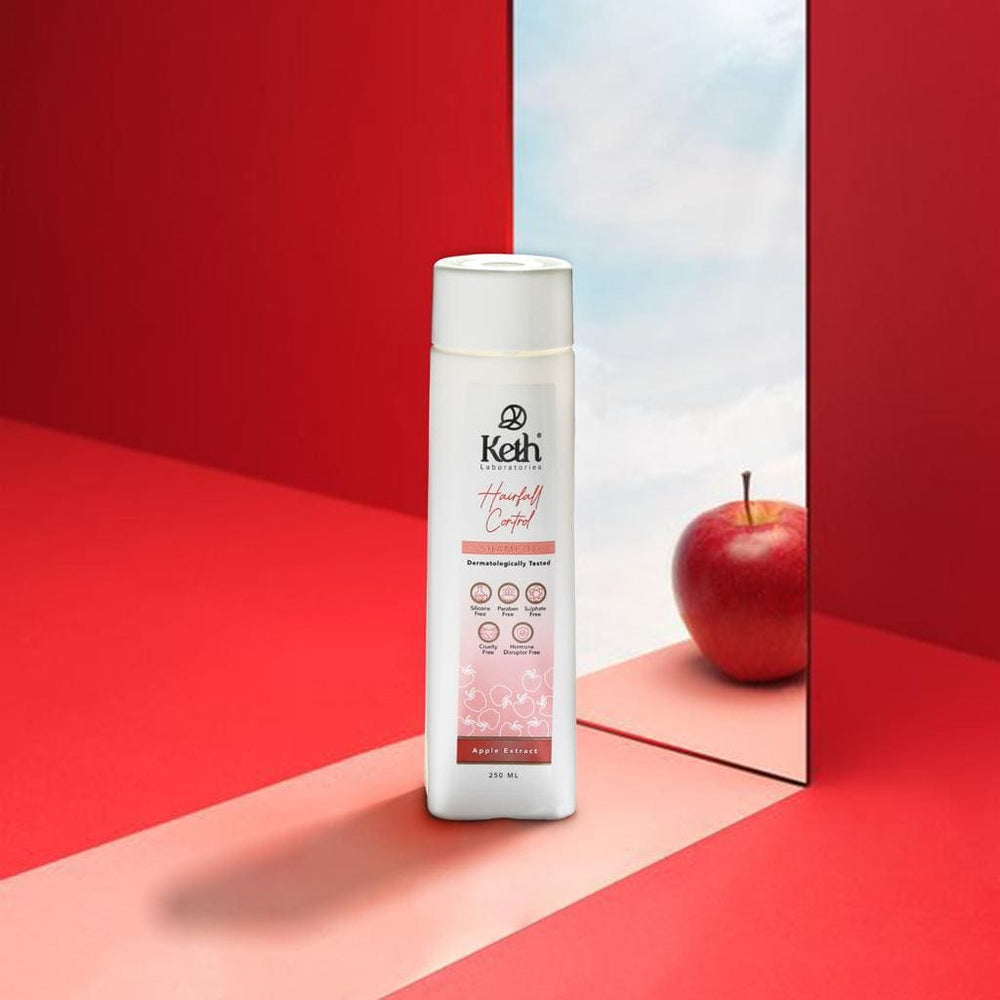
Target: Apply Keth Brightening boost serum to control oil and redness.
-
Brighten: Layer F Rejuv CE Vitamin C Serum for antioxidant protection.
-
Seal: Use a light, non-comedogenic moisturizer like Keth Lightweight Moisturizer.
-
Defend: Yuderma Eclipse Solaire SPF 50 is non-negotiable. Without this, your other products won't work.
Night Routine (Repair & Correct)
Nighttime is when your skin does its heavy lifting.
-
Double Cleanse: Remove sweat, grime, and sunscreen thoroughly.
-
Correct: This is where you use your heavy hitters. Rotate between Yuderma Melarid Depigmentation Serum (for melasma) or F Reti Rev Retinol Serum (for acne marks and aging).
-
Recover: Use Keth radiant duo serum followed by a Ceramide cream to keep your skin barrier intact.
Top 4 Dermatologist-Recommended Picks at Your Derm Store
1. Yuderma Melarid Depigmentation Serum
If you are struggling with stubborn melasma or redness, this is a game-changer. It’s clinically backed and much gentler than traditional lightening agents.
2. Keth Brightening boost serum
Perfect for those who have oily or acne-prone skin. It doesn't just fade spots; it prevents new ones by keeping pores clear and inflammation low.
3. F Reti Rev Retinol Face Serum (0.3% Retinol + Peptides)
This is for the "advanced" user. It encourages your skin to produce fresh, unpigmented cells while smoothing out fine lines.
4. F Rejuv CE Vitamin C Serum
A stabilized formula that doesn't oxidize easily crucial for the humid Indian weather. It gives that "lit-from-within" glow.
Common Pitfalls: Why Your Spots Aren't Fading
-
The "Heat" Factor: Did you know excessive heat (from steam or cooking) can trigger melasma? Keep your skin cool.
-
The 3-Month Rule: Skin cells take time to renew. You must use a product consistently for at least 8 to 12 weeks to see a real difference.
-
Over-Exfoliation: Using too many acids at once can cause "rebound pigmentation" due to irritation.
Frequently Asked Questions (FAQs)
Q: Can I use Vitamin C and Retinol together?
A: Use Vitamin C in the morning and Retinol at night. Using them at the same time can cause irritation and neutralize their effectiveness.
Q: How do I prevent pigmentation from coming back?
A: Sun protection is the only way. Even when indoors, UVA rays can penetrate windows and trigger melanin.
Q: Is Tranexamic Acid safe for long-term use?
A: Yes, topically applied Tranexamic acid is considered safe and effective for long-term maintenance against melasma.
Ready to start your journey to clear skin?
Don't guess your skincare. Explore our Curated Pigmentation Collection at Your Derm Store and choose formulas trusted by India's leading skin experts