




















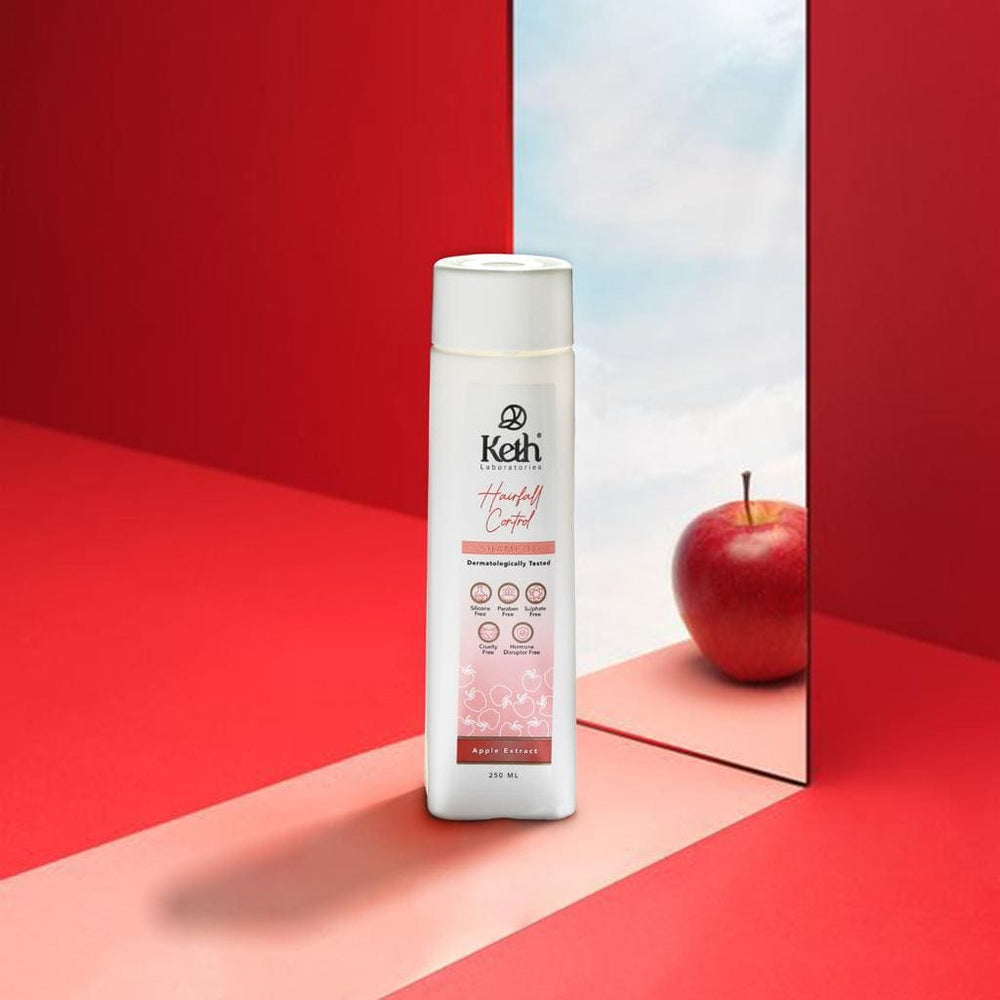
Hair Fall Causes Dermatologists See Most Often (And How the Right Products Help)
Hair fall is one of the most common concerns dermatologists hear yet it’s also one of the most misunderstood. Many people immediately search for quick fixes, while overlooking the most important step: understanding why the hair is falling in the first place.
According to dermatologists, hair fall is rarely caused by a single factor. Instead, it’s usually the result of scalp imbalance, lifestyle stressors, product mismatch, or temporary disruptions in the hair growth cycle. The good news? In many cases, choosing dermatologist-recommended hair care products tailored to the underlying cause can significantly support hair health.
This guide breaks down the most common hair fall causes dermatologists see and how the right products help support the scalp and hair through each phase.
Hair Fall vs Hair Loss: Understanding the Difference
Before addressing causes, dermatologists emphasize the importance of distinguishing hair fall from hair loss.
Hair fall (shedding) is often:
-
Temporary
-
Diffuse across the scalp
-
Triggered by stress, illness, or routine changes
Hair loss, on the other hand, may involve:
-
Visible thinning
-
Patterned recession
-
Reduced hair density over time
Most people experiencing hair fall fall into the shedding category, where supportive scalp and hair care plays a key role.
Dermatologists diagnose hair fall based on scalp examination, medical history, and hair density evaluation. This clinical assessment helps differentiate temporary shedding from underlying hair loss conditions.

The Most Common Hair Fall Causes According to Dermatologists
Stress and Lifestyle Imbalance
Physical or emotional stress is one of the leading triggers dermatologists identify. High stress levels can push more hair follicles into the resting phase, leading to increased shedding weeks later.
Common stress-related triggers include:
-
Work or emotional stress
-
Poor sleep
-
Sudden weight changes
-
Illness or fever
How the right products help:
Gentle, scalp-calming shampoos and soothing scalp care products help maintain a healthy scalp environment during recovery, supporting the natural hair cycle without adding irritation.
Scalp Imbalance and Product Build-Up
Dermatologists frequently find that hair fall begins at the scalp. Excess oil, residue, or irritation can disrupt follicle function.
Signs of scalp imbalance include:
-
Itching or tightness
-
Flaking or redness
-
Greasy roots with dry lengths
How the right products help:
Using pH-balanced, dermatologist-recommended shampoos and scalp treatments helps cleanse effectively without stripping the scalp, restoring balance and comfort.
Harsh or Incompatible Hair Products
Not all hair products suit all scalps. Dermatologists often see hair fall linked to:
-
Over-cleansing
-
Strong sulfates
-
Heavy silicones or waxes
-
Fragrance-heavy formulations
These can weaken the scalp barrier over time.
How the right products help:
Barrier-supporting, fragrance-free, and gentle formulations help protect the scalp’s natural defenses, reducing breakage and stress-related shedding.
Hormonal Fluctuations
Dermatologists commonly associate hair fall with hormonal shifts, such as:
-
Postpartum changes
-
Thyroid fluctuations
-
Polycystic ovarian syndrome (PCOS)
-
Menopause
While these causes are internal, external scalp care still matters.
How the right products help:
Strengthening serums and scalp-focused treatments help improve hair fiber resilience and support the scalp environment during hormonal transitions.
Nutritional Gaps Reflected in Hair Health
Hair often reflects overall wellness. Dermatologists frequently observe increased shedding in people with:
-
Low iron or protein intake
-
Vitamin deficiencies
-
Poor dietary balance
While nutrition should be addressed holistically, topical care still plays a supportive role.
How the right products help:
Hair-strengthening products enriched with supportive ingredients help reduce breakage and improve hair quality while internal balance is restored.
Seasonal Hair Fall
Seasonal shedding is something dermatologists consider normal, especially during:
-
Late summer
-
Early autumn
This type of hair fall is temporary but can feel alarming.
How the right products help:
Using lightweight strengthening shampoos and serums during seasonal transitions helps minimize breakage and supports healthier regrowth cycles.

Why Dermatologists Emphasize Scalp Health First
Healthy hair begins with a healthy scalp. Dermatologists consistently highlight that focusing only on hair strands without addressing scalp health often leads to disappointing results.
A balanced scalp:
-
Supports healthy hair growth
-
Reduces unnecessary shedding
-
Improves response to hair care products
This is why dermatologist-recommended routines often include scalp-specific care, not just shampoos and conditioners.
Choosing Dermatologist-Recommended Products for Hair Fall
When dermatologists evaluate hair care products, they prioritize formulations that support long-term scalp and hair health.
Key features to look for:
-
Gentle cleansing agents
-
Fragrance-free or low-irritant formulas
-
Ingredients that support the scalp barrier
-
Lightweight textures that don’t weigh hair down
Products designed with these principles are suitable for regular use and work alongside the scalp’s natural renewal process.
Common Hair Care Mistakes That Worsen Hair Fall
Dermatologists often see hair fall worsen due to:
-
Overwashing or underwashing
-
Using too many styling products
-
Aggressive scrubbing
-
Skipping scalp care entirely
Hair fall support works best when routines are simple, consistent, and gentle.
Frequently Asked Questions
Is hair fall always a sign of hair loss?
No. Temporary hair fall is common and often resolves with time and supportive care.
Can changing hair products really help reduce hair fall?
Yes. Using dermatologist-recommended products that suit your scalp type can reduce breakage, irritation, and stress-related shedding.
How long does it take to see improvement?
With consistent product use, many people notice reduced shedding and better hair quality within 6–8 weeks.
Should I stop washing my hair if I have hair fall?
No. Gentle cleansing helps maintain scalp health, which is essential for healthy hair.
Are dermatologist-recommended products safe for long-term use?
Products designed for sensitive scalps and daily use are generally suitable for long-term routines.
Final Thoughts
Hair fall can feel overwhelming, but it’s often your scalp’s way of signaling imbalance not failure.
By understanding the most common hair fall causes dermatologists see and choosing products designed to support scalp health, barrier function, and hair strength, you can create a routine that works with your hair, not against it.
Explore dermatologist-recommended hair care solutions that focus on gentle cleansing, scalp balance, and everyday hair resilience because healthier hair starts at the scalp.