




















Chapped and Cracked Lips: Causes and How to Treat Them
Lips chap because the skin there is thin, has no oil glands, and cannot hold moisture on its own. Weather, dehydration, dry indoor air, and habits like lip licking make this worse. Treating chapped lips means restoring a moisture barrier with an occlusive balm and removing the habits that strip it away.
Why Lip Skin Is Different From the Rest of Your Face
The skin on your lips is thinner than the skin on the rest of your face and body. It also lacks sebaceous (oil) glands, which are what normally keep skin lubricated and protected from water loss.
✓ Lip skin is thinner than facial skin and has no oil glands, which makes it prone to dryness.
✓ Because lips lack oil glands, they rely entirely on external moisture and protection to stay soft.
This is why lips dry out faster than the rest of the face in cold weather, air conditioning, or after sun exposure. It also explains why lip skin heals more slowly once it has cracked, since it does not have the same self-lubricating mechanism that facial skin relies on to support recovery.
Lips also have far fewer layers of stratum corneum, the outermost protective layer of skin, than the cheeks or forehead. This thinner barrier means moisture escapes more easily through the lip surface, which is part of why lips can feel dry within hours even when the rest of the face still feels comfortable.
Common Causes of Chapped and Cracked Lips
● Cold, dry, or windy weather that strips moisture from the surface
● Dry indoor air from air conditioning or heating, which lowers ambient humidity around the face
● Dehydration, since lips reflect the body's overall hydration levels quickly
● Repeated lip licking, which evaporates and dries the skin further rather than moisturising it
● Sun exposure without lip protection
● Certain medications and some skincare or lip products that irritate the area
● Breathing through the mouth, especially during sleep, which continuously dries the lip surface
✓ Licking chapped lips evaporates saliva quickly, leaving the skin drier than before.
✓ Unprotected sun exposure is a common but often overlooked cause of ongoing lip dryness.
Persistent cracking, especially at the corners of the mouth, can also be linked to nutritional deficiencies or a fungal or bacterial component, a condition sometimes referred to as angular cheilitis. This is worth checking with a dermatologist if it does not resolve with basic care, since it may need a targeted treatment rather than a standard lip balm.
Seasonal and Environmental Triggers Explained
Chapped lips often follow a predictable seasonal pattern. Cold, dry winter air holds less moisture, which pulls water out of exposed skin, including the lips, more aggressively than warmer, humid conditions. Indoor heating during colder months compounds this by further lowering humidity indoors.
In hot climates, air conditioning has a similar drying effect, which is why chapped lips are not purely a winter concern. Long flights are another commonly overlooked trigger, since cabin air is significantly drier than typical indoor or outdoor air, and many people forget to reapply lip balm during travel.
High-altitude environments compound this further, since lower humidity and increased UV exposure at altitude both accelerate moisture loss from exposed skin. Travellers heading to mountainous regions, ski destinations, or long-haul flights often notice chapping appear faster than they would at home, even with a lip care routine that normally works well. Packing a richer, more occlusive balm than usual for these trips, and reapplying more frequently than feels necessary, helps offset the additional environmental stress.

How to Treat Chapped Lips
What actually fixes chapped lips?
Chapped lips are treated by applying an occlusive lip balm several times a day to seal in moisture, avoiding lip licking, and drinking enough water. Gentle exfoliation once or twice a week can help remove flaking skin, but only once the lips are no longer cracked or bleeding.
● Apply a nourishing lip balm throughout the day, not just before bed
● Reapply after eating, drinking, or wiping the mouth, since these remove the protective layer
● Avoid licking or picking at flaking skin, which delays healing
● Use a humidifier indoors if the air is very dry
● Stay hydrated, since overall dehydration shows up on the lips first for many people
● Breathe through the nose where possible, particularly overnight, to reduce continuous moisture loss
Ingredients That Help vs Ingredients That Make It Worse
|
Category |
Examples |
Effect |
|
Occlusives |
Petrolatum, beeswax, shea butter |
Seal in existing moisture and form a protective barrier |
|
Humectants |
Glycerin, hyaluronic acid |
Draw moisture into the skin surface |
|
Common irritants |
Menthol, camphor, phenol, added fragrance |
Can create a cooling sensation that feels soothing short-term but dries lips further with repeated use |
|
Flavoured or scented balms |
Various |
Can encourage more frequent licking, which worsens dryness |
✓ Occlusive ingredients like petrolatum and beeswax work by sealing moisture into the skin rather than adding it.
✓ Humectant ingredients such as glycerin draw moisture into the skin from the surrounding air.
✓ Menthol and camphor can feel soothing at first but often dry lips out with repeated use.
✓ Flavoured lip balms can unintentionally encourage more frequent licking, which worsens chapping.
Reading a lip balm label with these categories in mind makes it easier to understand why two products marketed similarly can perform very differently. A balm that leads with menthol or a strong flavour is prioritising sensation over barrier repair, while a simple, occlusive-forward formula is generally the more reliable choice for genuinely chapped lips.
Building a Simple Daily Lip Care Routine
● Morning: apply a lip balm with SPF before going outdoors
● Through the day: reapply lip balm every few hours, especially after eating or drinking
● Evening: apply a richer, occlusive lip balm before bed to work overnight
● One to two times a week: gently exfoliate with a soft, damp cloth if lips are flaking but not cracked or bleeding
● Overnight: consider a thicker, ointment-style balm on particularly dry nights, since overnight is when reapplication is not possible
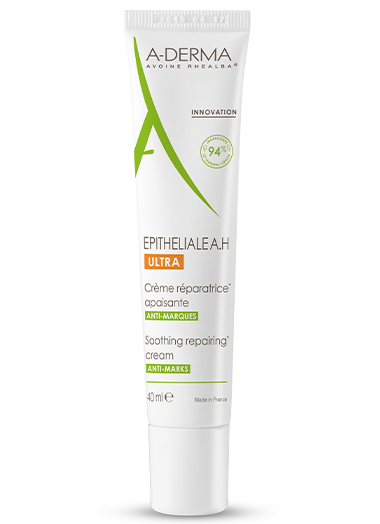
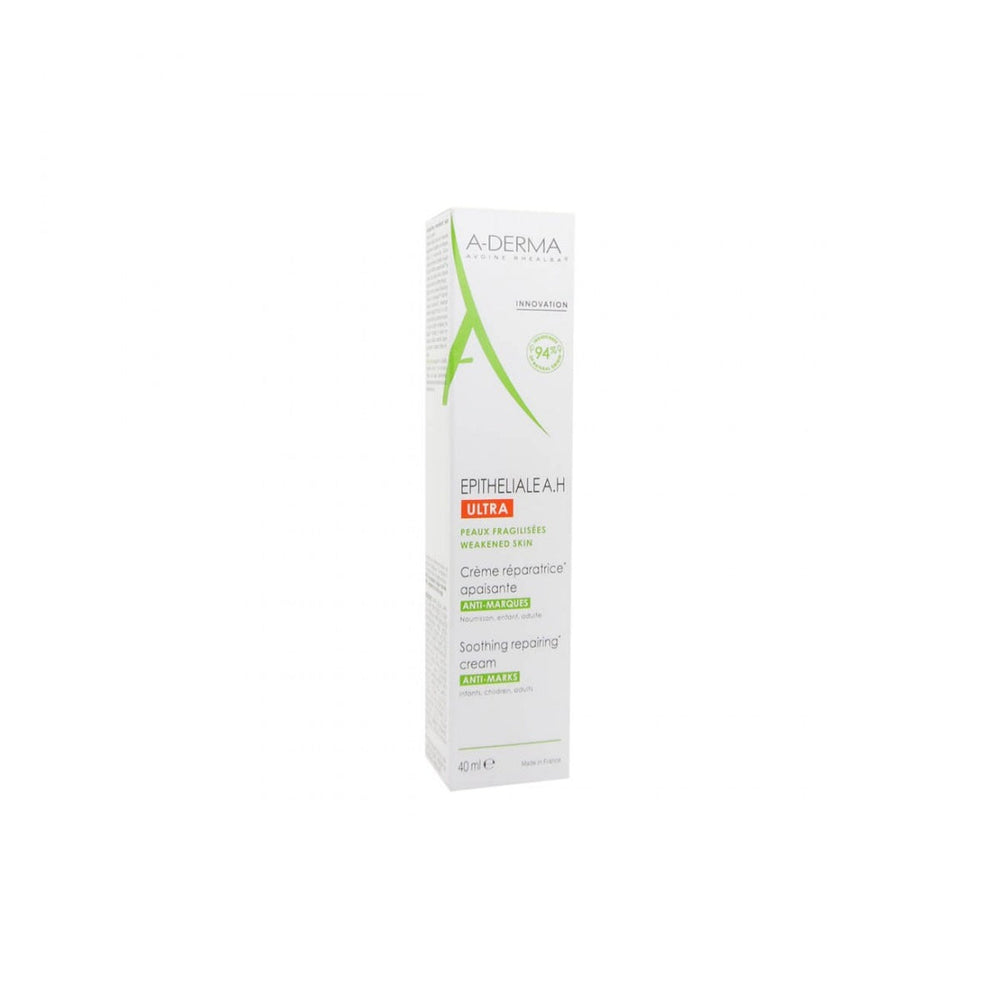
For readers looking for a daily option, the Hydronic Lip Balm is a straightforward starting point for this routine. Confirm exact formulation details on the live product page before purchase.
Lip Exfoliation: When and How
Exfoliating chapped lips is a step people often get wrong, either skipping it entirely or doing it too aggressively on skin that is not ready. Gentle exfoliation is appropriate once lips are flaking but no longer cracked, bleeding, or painful to the touch. A soft, damp washcloth used in small circular motions for a few seconds is usually enough; abrasive scrubs or vigorous rubbing can tear already fragile skin and set healing back rather than speed it up.
After exfoliating, always follow with a rich, occlusive balm to seal in moisture immediately. Exfoliating and then leaving lips unprotected defeats much of the purpose of the step.
Common Lip Care Mistakes That Delay Healing
Even well-intentioned lip care can backfire when a few common mistakes creep in. Recognising these helps explain why chapping sometimes persists despite regular balm use.
● Relying on a single application in the morning and forgetting reapplication throughout the day
● Choosing a balm based on flavour or scent rather than its ingredient list
● Picking or peeling at loose skin, which can tear healthy skin underneath and prolong healing
● Switching products frequently in search of a faster fix, which does not give any single formula time to work
● Using expired or old lip products, since some ingredients can degrade or become less effective over time
● Ignoring the role of overall hydration and diet while focusing only on topical products
✓ Picking at flaking lip skin can tear healthy tissue underneath and prolong the healing process.
Addressing these habits alongside a consistent topical routine tends to produce more reliable results than changing products repeatedly without changing behaviour. Small, consistent adjustments, like keeping a balm within reach at a desk or in a bag, often matter more than any single "best" product choice.
Lipstick, Lip Liner, and Chapped Lips
Certain long-wear or matte lip products can contribute to dryness because they are formulated to resist transfer, which often means they also resist moisture retention. If chapped lips coincide with regular use of matte or long-wear lip colour, switching to a hydrating formula, or applying a balm underneath colour products, can reduce the drying effect while still allowing makeup to be worn.
Fragranced or heavily pigmented lip products can also be a source of irritation for some people, similar to fragranced lip balms. If lips are chapped and the cause is not obvious from weather or habits alone, temporarily removing all lip products except a simple, occlusive balm for a week or two can help identify whether a specific product is contributing to the problem.
Chapped Lips in Children
Children are also prone to chapped lips, often from a combination of outdoor play, wind exposure, and frequent lip licking, a habit that is common and hard to break at a young age. A simple, fragrance-free, occlusive balm is generally the safest starting point for children, and flavoured balms marketed to kids can sometimes encourage more licking rather than less. Persistent or severe chapping in a child, especially with cracking or bleeding, is worth discussing with a paediatrician or dermatologist rather than managing indefinitely at home.
When to See a Dermatologist
When is chapped lips a medical concern?
Most chapped lips improve within one to two weeks of consistent care. See a dermatologist if lips are bleeding, painfully cracked at the corners, not improving despite regular balm use, or if you notice swelling, persistent sores, or signs of infection. Cracking that keeps returning despite good lip care habits can also point to an underlying nutritional or dermatological cause worth investigating.
Diet, Hydration, and Lip Health
While topical care does most of the work in treating chapped lips, overall hydration and nutrition play a supporting role. Adequate water intake helps maintain skin's baseline moisture levels throughout the body, including the lips. Diets low in certain vitamins, particularly B vitamins and iron, have also been associated with persistent lip cracking in some cases, especially at the corners of the mouth.
This does not mean supplements are a substitute for topical treatment, and no specific product or supplement should be assumed to fix chapped lips without addressing the topical barrier first. For lips that remain cracked despite consistent balm use and reasonable hydration, a dermatologist can help determine whether an underlying nutritional or medical factor is involved, rather than continuing to guess at home.
Conclusion
Chapped lips are common, largely preventable, and usually respond well to a simple, consistent routine built around occlusive protection and fewer drying habits. The details matter more than they seem: choosing a balm without irritating ingredients, reapplying often enough, and resisting the urge to lick dry lips all add up over days and weeks. For lips that do not improve with these basics, or that show signs of infection or persistent cracking, a dermatologist can identify whether something more specific is going on.
Frequently Asked Questions
Q1. Why do my lips get chapped even when I use lip balm often?
Some lip balms contain drying or irritating ingredients like menthol or added fragrance, which can create a cycle of temporary relief followed by more dryness. Switching to a simple, occlusive balm without these ingredients often helps.
Q2. Is it bad to lick chapped lips?
Yes. Saliva evaporates quickly and takes moisture from the lip surface with it, which leaves lips drier than before. Breaking this habit is one of the most effective steps in treating chapped lips.
Q3. Can dehydration cause chapped lips?
Yes, lips often show early signs of overall body dehydration. Drinking enough water throughout the day supports lip health alongside topical care, though topical protection is still necessary even when hydration is adequate.
Q4. Should I exfoliate chapped lips?
Gentle exfoliation can help once lips are flaking but not actively cracked or bleeding. Exfoliating broken or painful skin can delay healing and should be avoided until the skin has recovered.
Q5. Does sunscreen matter for lips?
Yes, lips can burn and dry out from sun exposure just like facial skin. A lip balm with SPF is a simple way to add this protection during the day, particularly for outdoor activities.
Q6. How long does it take for chapped lips to heal?
With consistent care, mild chapping often improves within a week to two weeks. Persistent cracking that does not improve in that time is worth discussing with a dermatologist.
Q7. Why do the corners of my mouth crack more than the rest of my lips?
Cracking specifically at the corners can be linked to saliva pooling in that area, nutritional factors, or a fungal or bacterial component known as angular cheilitis. If this area is not responding to a standard lip balm, a dermatologist can check for an underlying cause.
Q8. Can weather changes alone cause chapped lips even with a good routine?
Yes, sudden changes such as travel to a colder or drier climate can trigger chapping even in someone with an otherwise consistent lip care routine. Increasing balm frequency and using a richer, more occlusive formula during these periods usually helps.
Q9. Can chapped lips be a sign of an allergic reaction?
Yes, a sudden onset of chapped, itchy, or swollen lips after trying a new lip product, toothpaste, or food can point to a contact allergy or sensitivity rather than ordinary environmental dryness. Discontinuing the suspected product and switching to a simple, fragrance-free balm is a reasonable first step, and a dermatologist can help confirm the trigger if reactions continue.
Q10. Is petroleum jelly enough on its own for chapped lips?
For many people, a plain occlusive like petroleum jelly is an effective, simple option, since its main job is sealing in existing moisture. It does not add moisture on its own, so pairing it with adequate water intake and avoiding drying habits like lip licking gives more complete results than relying on it in isolation.
This article is educational and does not replace advice from a dermatologist. Persistent, bleeding, or worsening lip symptoms should be assessed by a medical professional.